Fast Dopamine
ADHD dopamine seeking
A practical reset for reward loops that keep carrying hard days.
ADHD dopamine seeking is often the phrase people use when the brain keeps reaching for quick stimulation: phone checks, sugar, shopping, scrolling, app hopping, novelty, or anything that makes the next minute feel easier. The useful question is not "Why am I like this?" The useful question is "What job is this reward doing?"
Start with the reward job
Fast rewards usually arrive when something else is missing: rest, structure, novelty, closure, sensory relief, connection, or a task with a visible start. If you treat the reward as the whole problem, the day may simply find another loop.
Map the job first. Then you can choose a lower-cost reward that answers the same need without stealing the next hour.
Notice the cue
Look for the moment before the loop: boredom, task dread, low energy, transition, shame, loneliness, or sensory overload.
Name the reward
Is it novelty, comfort, escape, control, connection, momentum, sensory input, or proof that the day is still yours?
Pick a lower-cost swap
Choose one reward that answers the same job with less fallout.
Add one boundary
Make the high-cost loop one step harder and the replacement one step easier.
Write the re-entry rule
When the loop comes back, restart from the smallest swap instead of starting a punishment plan.
Removing every quick reward can backfire when the day is already under-supported. The aim is not reward starvation. The aim is better support with fewer hidden costs.
The dopamine seeking reset
Use this when you catch yourself chasing the next hit and the day is starting to disappear.
- What was happening right before I reached for the loop?
- What job did the reward promise: novelty, relief, escape, connection, control, comfort, or momentum?
- What is the lowest-cost reward that could answer the same job for ten minutes?
- What boundary makes the high-cost loop slightly less automatic?
- What is the restart rule if the loop wins today?
Build a small reward menu
A reward menu works best when it is specific enough to use while tired. "Do something healthy" is too vague. "Walk outside for five minutes with music" is easier to find.
- Novelty: new playlist, short article, small puzzle, rearrange one object.
- Comfort: shower, blanket, warm drink, low light, familiar audio.
- Connection: one direct message, voice note, quick check-in, shared meme with one person.
- Momentum: two-minute task, clear one surface, open the document, write the first bad line.
- Sensory input: stretch, walk, pressure, texture, scent, cold water, standing desk reset.
Put friction on the expensive loop
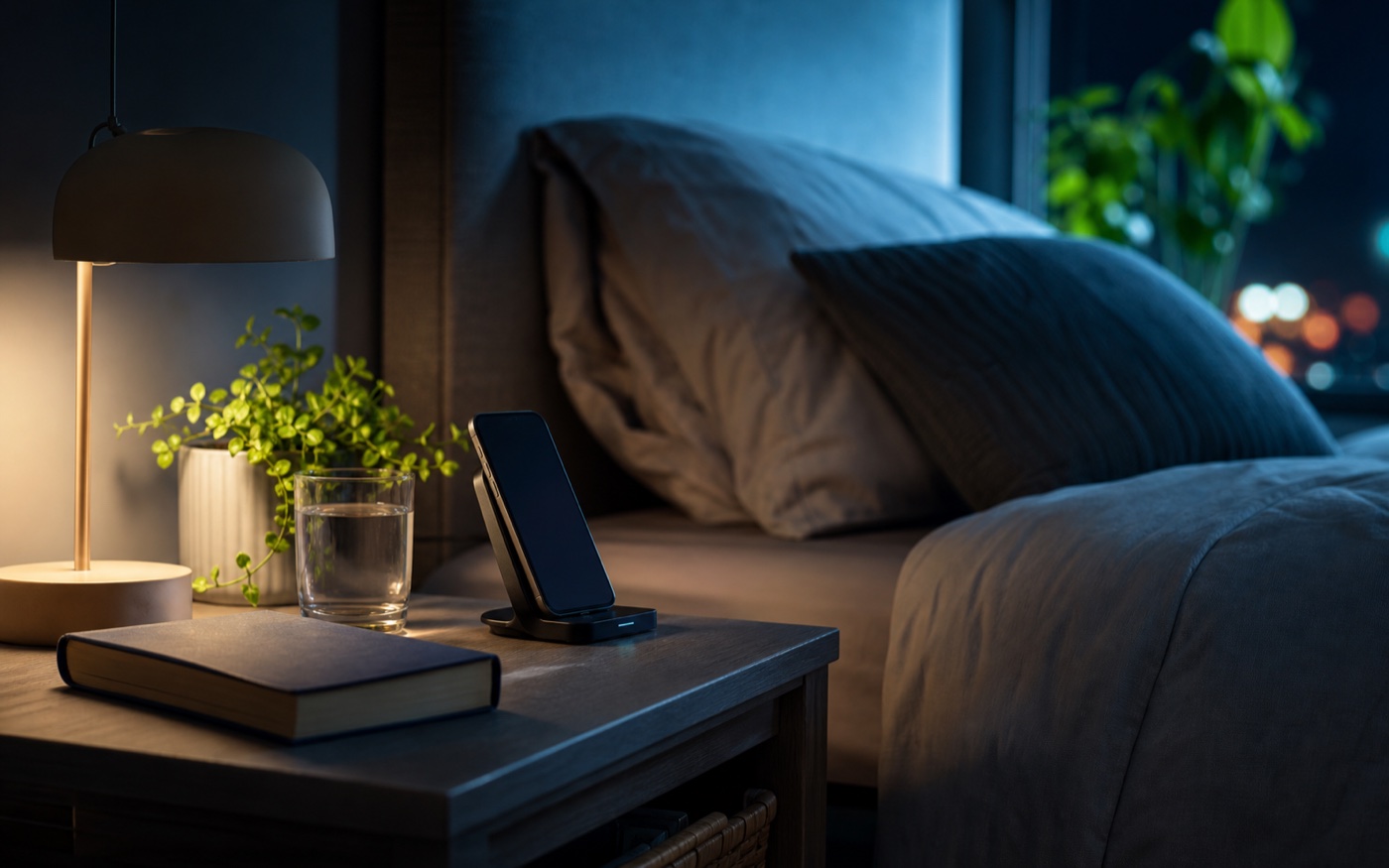
Friction should be small enough that you will actually keep it. Remove saved cards from one shopping app. Put the phone charger across the room. Move snacks out of arm's reach. Log out of one feed. Turn off one notification category.
Then make the lower-cost reward visible. If the replacement is hidden and the loop is one tap away, the loop will keep winning.
Use rewards before the crash
Many fast dopamine loops get stronger because the day has no planned reward until everything is finished. For ADHD brains, "work first, reward later" can turn into no reward, no momentum, and then a giant reward grab at night.
Try smaller rewards earlier: after one email, after five minutes, after opening the task, after a transition, after one honest restart. Reward can be part of the system, not a bribe for becoming a different person.
When to get extra support
If reward loops are harming sleep, money, work, driving safety, relationships, eating, or mental health, you do not have to solve it privately. Bring the pattern to a therapist, doctor, dietitian, coach, or trusted support person. The loop may be showing you where life needs more support than willpower can provide.
FAQ
What does ADHD dopamine seeking mean? ADHD dopamine seeking is a common way people describe chasing quick reward, novelty, stimulation, or relief when the day feels under-supported. It is not a diagnosis by itself.
How do I stop dopamine seeking with ADHD? Do not start by removing every reward. Start by naming the cue, the reward job, one lower-cost replacement, and one friction point that protects the replacement.
What are examples of fast dopamine loops? Fast dopamine loops can include phone checking, scrolling, sugar, shopping, gaming, app hopping, outrage reading, or repeatedly searching for something more interesting.
Can replacement rewards help ADHD? Replacement rewards can help when they answer the same job in a lower-cost way: novelty, connection, movement, comfort, completion, or sensory relief.
Which Dopamine Friendly Systems book fits dopamine seeking? When Fast Dopamine Is All You Have Left is the best starting point for phone loops, sugar, shopping, scrolling, and reward systems that need support instead of punishment.